Creating the Best First Impression: How to Market Your Business to Attract Buyers (Part 6 of 10)

Updated: Jan 10
When you're ready to sell your business, you get exactly one shot at a first impression with potential buyers. Research shows that people form judgments in just 0.1 seconds: that's faster than you can say "for sale." Whether a buyer discovers your business through an online listing, drives by your location, or hears about it through their network, those initial few moments determine whether they'll dig deeper or keep looking.
You should think to market your business to attract buyers like staging a house. You want buyers to walk in and immediately think, "I can see myself here." The difference is, instead of imagining family dinners in the kitchen, buyers need to envision themselves running successful operations, serving happy customers, and building on what you've created.
Physical Curb Appeal Still Matters
Let's start with the obvious stuff that's easy to overlook when you see your business every day. Your physical location is often the first thing buyers will see, and shabby exteriors send the wrong message before anyone even walks through the door.
Take a walk around your building like you're seeing it for the first time. Are there weeds growing through cracks in the parking lot? Faded signage that's seen better days? Windows that could use a good cleaning? These might seem like small details, but they add up to create an impression of a business that's not being maintained properly.

Fresh paint goes a long way, and it doesn't have to break the bank. Focus on high-impact areas like your front entrance, reception area, and any customer-facing spaces. Clean, organize, and declutter everywhere buyers might look. If you've been meaning to fix that broken door handle or replace those burnt-out light bulbs, now's the time.
Your goal isn't to renovate everything: it's to show buyers that this is a business that's been cared for and maintained. When they see attention to detail in the small stuff, they'll assume you've been just as careful with the big stuff.
Your Digital Front Door Needs Work Too
These days, most buyers will check out your website and social media before they ever set foot on your property. Your online presence is your digital curb appeal, and it might be even more important than your physical appearance.
Start with your website. Does it look like it was built in 2010? Are there broken links, outdated information, or photos that make your business look smaller than it actually is? A modern, professional website signals that you understand your customers and you've invested in staying current.
Your social media presence tells a story too. Active, engaging social accounts show buyers that you have a pulse on your customer base and know how to communicate with them. But inconsistent posting or outdated information can make your business seem stagnant or neglected.

Don't panic if your digital presence isn't perfect: you don't need to become a social media expert overnight. But you do need to make sure everything looks professional, current, and consistent with how you want buyers to see your business.
Consistency Builds Confidence
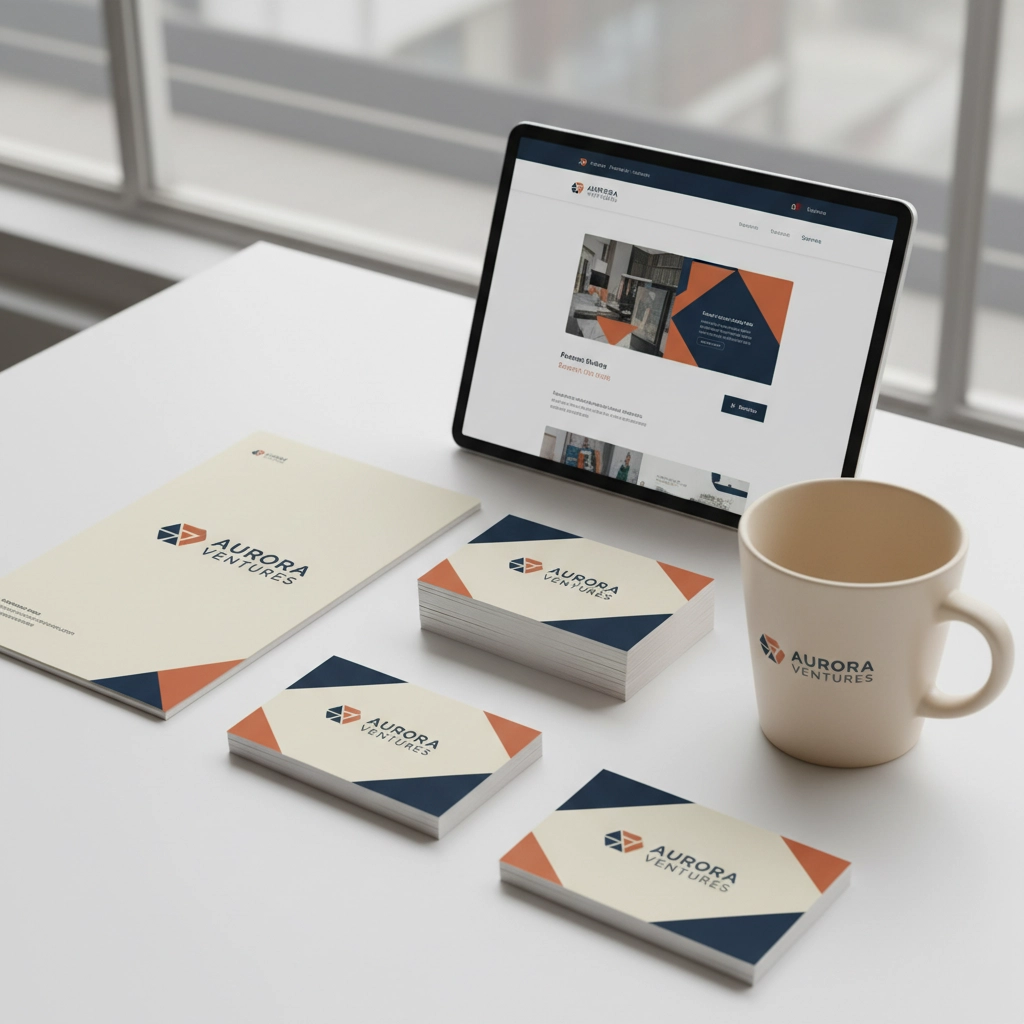
Nothing screams "amateur operation" like inconsistent branding. When your logo looks different on your website versus your business cards versus your storefront sign, buyers start wondering what else might be inconsistent in your business.
Take inventory of everywhere your brand appears: your website, social media, signage, business cards, uniforms, vehicle wraps, email signatures, and any marketing materials. Do they all tell the same story? Are you using the same colors, fonts, and tone of voice everywhere?
This isn't about spending thousands on a complete rebrand. It's about making sure all your touchpoints work together to create a cohesive impression. Sometimes it's as simple as updating your website to match your newest signage, or making sure your social media profiles use your current logo.
Buyers are looking for businesses that have their act together. Consistent branding suggests consistent operations, attention to detail, and a professional approach to customer relationships.
Customer-Facing Upgrades That Pay Off
When buyers evaluate your business, they're trying to understand the customer experience you deliver. They want to know that customers will keep coming back after the sale, so anything you can do to highlight a great customer experience is worth the investment.
Look at your business through your customers' eyes. Is your checkout process smooth and professional? Do your customer service areas look welcoming and organized? Are your product displays attractive and easy to navigate?
Small upgrades can make a big difference here. New point-of-sale systems, better lighting in customer areas, cleaner restrooms, or more comfortable waiting areas all signal that you prioritize customer satisfaction. These improvements often pay for themselves by making buyers more confident about the business's long-term prospects.
Don't forget about the behind-the-scenes areas that buyers will see during their due diligence. Clean, organized back offices, storage areas, and employee break rooms suggest that you run a tight ship everywhere, not just where customers can see.
Smart Marketing for Your Business Sale
When it comes to actually marketing your business for sale, you have some choices to make about how much exposure you want and where you want that exposure to happen.
If you're working with a business broker, they'll handle most of the marketing heavy lifting. But you still need to make sure they have great materials to work with. High-quality photos of your location, clear financial summaries, and compelling descriptions of your business operations all make their job easier and your business more attractive.
If you're selling on your own, you'll need to get comfortable with business-for-sale platforms, industry publications, and networking within your professional circles. The key is presenting your business professionally without revealing sensitive information to competitors or causing unnecessary worry among employees and customers.
Either way, timing matters. You don't want to market your business when it's in the middle of a slow season or right after you've had operational problems. Wait until you can present your business at its best.
Messaging That Attracts the Right Buyers
How you describe your business matters more than you might think. Buyers are looking for different things: some want turnkey operations they can step into immediately, others are looking for growth opportunities they can build on, and still others want businesses they can combine with their existing operations.
Your messaging should highlight what makes your business attractive without overselling or making promises you can't back up. Focus on concrete strengths: established customer relationships, proven systems, growth potential, or competitive advantages that would be hard for someone to replicate from scratch.

Avoid industry jargon that might confuse buyers from different backgrounds. Remember, the perfect buyer for your business might come from a completely different industry but have skills that transfer well. Clear, straightforward language helps more buyers understand why your business could be a good fit for them.
Market Your Business to Attract Buyers - The Details That Make a Difference
Finally, don't underestimate the power of small professional touches. When buyers visit your location, make sure they're greeted professionally and shown around by someone who knows the business well and can answer questions confidently.
Have a clean, organized information packet ready with basic details about your business, recent financial performance, and key operational information. This doesn't need to be a full disclosure package: that comes later: but it should give serious buyers enough information to decide if they want to move forward.
Keep regular business hours during the sale process, maintain normal operations, and avoid the temptation to let things slide while you focus on the sale. Buyers want to see a business that's running smoothly, not one that's winding down.
Creating the best first impression isn't about fooling buyers or hiding problems: it's about presenting your business in its best light and making it easy for the right buyer to see themselves taking over and building on what you've created. When you get the presentation right, you'll attract more interest, more qualified buyers, and ultimately a better outcome for everyone involved.
Buyers form opinions long before they open your financials
How your business is positioned — online, in materials, and in early conversations — shapes buyer expectations and perceived risk. Understanding how buyers connect first impressions to value can help you present your business more intentionally from the very start.
Comments